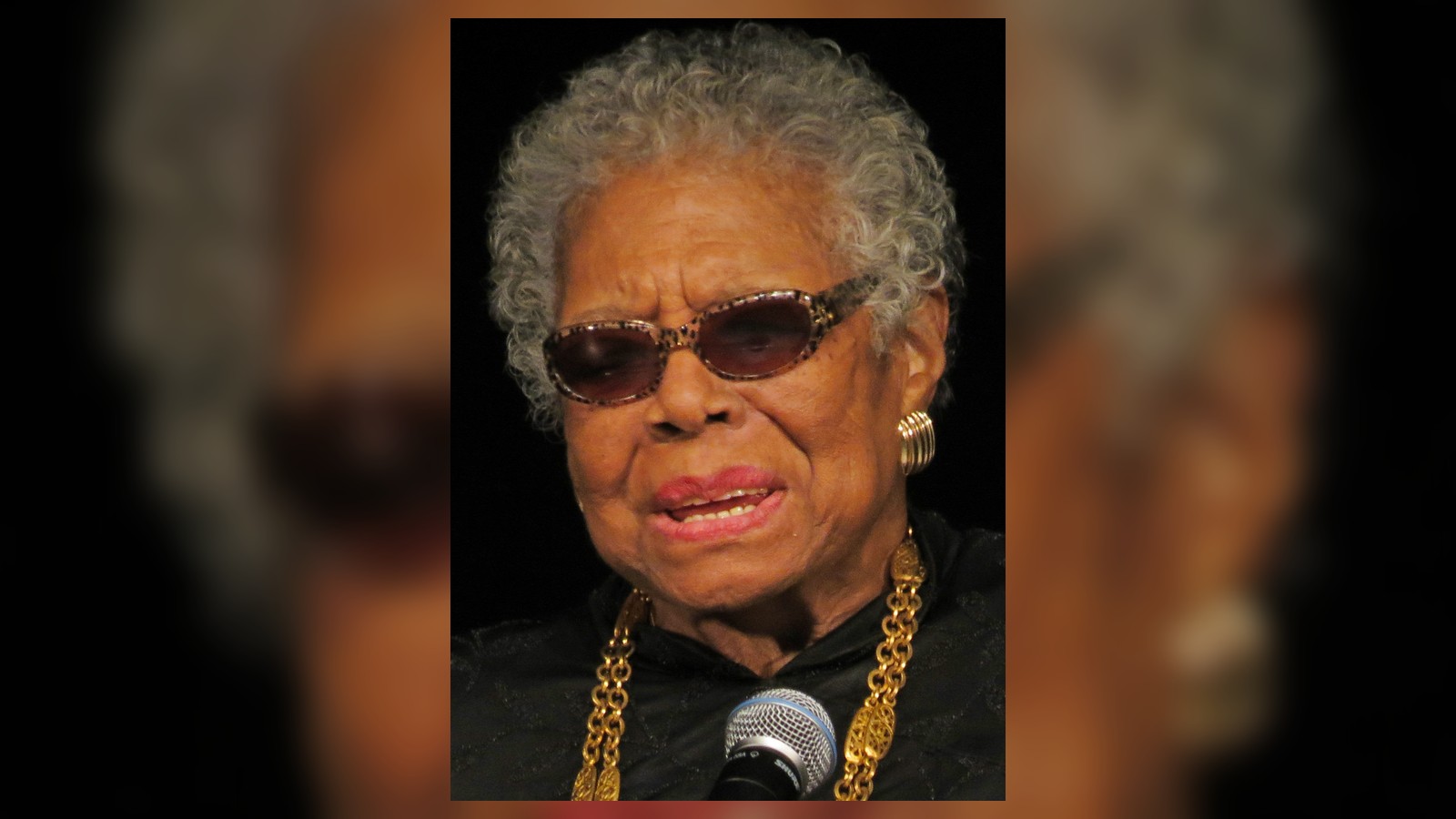
J.K. Rowling Biography
The result is a readable life story that values sequence, texture, and consequence as much as fame, while keeping attention on the choices that made the public legacy possible. It keeps the tone explanatory, balanced, and grounded in the work itself, with enough detail to support careful reading and historical context from multiple angles. J.K. Rowling is best understood as a novelist and creator of a major fantasy franchise whose career became larger than a simple list of credits. The story matters because it shows how craft, timing, public image, and persistence can turn individual work into a cultural reference.
A: Because the career shows how talent, timing, and public attention can reshape a field.
A: The defining thread is the movement from early opportunity into a wider cultural legacy.
A: The most useful fact is not one date, but the pattern of choices that made the work durable.
A: Influence grew through recognizable work, repeated discipline, and audiences who kept returning.
A: No. Fame is part of the story, but the stronger measure is lasting effect.
A: Avoid reducing the life to one role, one book, one image, one controversy, or one artwork.
A: Compare craft, range, risk, collaborators, and what changed after the work reached the public.
A: Staying power comes from work that remains useful, moving, debatable, or imitated.
A: Public memory often smooths out labor, conflict, pressure, and changing critical reception.
A: The biography matters because it connects a specific life to a broader cultural record.
J.K. Rowling Biography Overview
For J.K. Rowling, the result is a readable life story that values sequence, texture, and consequence as much as fame, while keeping attention on the choices that made the public legacy possible. For J.K. Rowling, it keeps the tone explanatory, balanced, and grounded in the work itself, with enough detail to support careful reading and historical context from multiple angles.
J.K. Rowling is best understood as a novelist and creator of a major fantasy franchise whose career became larger than a simple list of credits. For J.K. Rowling, the story matters because it shows how craft, timing, public image, and persistence can turn individual work into a cultural reference point. For J.K. Rowling, a biography has to do more than celebrate familiar milestones. For J.K. Rowling, it should explain how early conditions, major opportunities, and later choices shaped the career people recognize today. For J.K. Rowling, it also needs to show how a private working life became visible enough for strangers to attach meaning to it.
The broad arc runs from manuscript struggle to one of publishing's biggest global stories. That movement was not automatic. For J.K. Rowling, it depended on training, collaborators, changing audiences, and the ability to survive public expectation. For J.K. Rowling, the most durable careers are rarely made by one success. For J.K. Rowling, they are made by adapting after success, choosing new risks, and finding ways to make the work feel alive beyond its first moment.
Readers often arrive at a J.K. Rowling biography through one famous role, book, song, painting, or public image. For J.K. Rowling, that entry point is useful, but it can also narrow the view. For J.K. Rowling, the fuller story includes preparation, setbacks, revisions, business decisions, private discipline, and the historical context that made recognition possible. For J.K. Rowling, looking at those quieter elements gives the familiar achievements a firmer shape, because they show the conditions that made the visible work possible.
For J.K. Rowling, a balanced account also separates the person from the shorthand attached to the name. J.K. Rowling can be treated as an emblem of a genre, era, movement, or fan community, but the biography is richer when it follows decisions in sequence. For J.K. Rowling, that approach shows how reputation was built, defended, questioned, and renewed over time.
Early Life and First Openings
For J.K. Rowling, the early evidence is more specific than a general origin story. Harry Potter creation, publishing breakthrough, and children's literature phenomenon show how the first version of the career formed before the public label arrived. For J.K. Rowling, those details help readers see beginnings as pressure, training, and access rather than as a decorative opening chapter.
For J.K. Rowling, the early record includes Harry Potter creation, publishing breakthrough, and children's literature phenomenon. Those details are not trivia. For J.K. Rowling, they show the path from private interest to public work. For J.K. Rowling, they also remind readers that a celebrated career usually begins before the world has any reason to care. For J.K. Rowling, in that early stage, skill is often forming before reputation exists, which makes the record especially useful for understanding later choices.
For J.K. Rowling, first openings rarely look final while they are happening. For J.K. Rowling, an early role, manuscript, studio session, apprentice period, or exhibition can feel like one attempt among many. In hindsight, it becomes a hinge. For J.K. Rowling, the biographical task is to see that hinge without pretending the outcome was guaranteed.
Breakthrough and Public Recognition
The breakthrough around J.K. Rowling changed the size of the room. Once film adaptations and Robert Galbraith crime novels entered the public record, each later decision had to answer a clearer expectation from audiences, critics, and the industry. For J.K. Rowling, that is why recognition belongs in the biography as a turning point, not just as proof of popularity.
The public identity around J.K. Rowling was assembled through particular evidence: Robert Galbraith crime novels, philanthropy, and public controversy. For J.K. Rowling, those markers gave audiences something concrete to name, imitate, debate, or resist. For J.K. Rowling, they also made the career easier to summarize, which is exactly why the article has to slow the sequence down.
Recognition can be both opportunity and trap. For J.K. Rowling, it rewards what audiences already like, which can make reinvention risky. For J.K. Rowling, the most interesting biographies often turn on how a person handles that pressure. Some deepen a signature style. Some expand into new forms. For J.K. Rowling, some use success to gain more control over the next chapter.
For J.K. Rowling, the public stage also changes the meaning of earlier work. After J.K. Rowling became widely recognized, small choices could be reinterpreted as signs of a larger destiny. Biography has to resist that false neatness. For J.K. Rowling, it can acknowledge the breakthrough without pretending that every step beforehand pointed cleanly toward the same result.
Another part of recognition is durability. For J.K. Rowling, a sudden rise may bring attention, but it does not guarantee respect across years. J.K. Rowling's story is therefore also about what happened after visibility arrived: the choices that protected momentum, the risks that invited criticism, and the projects or works that helped the career avoid becoming one fixed image.
Craft, Voice, and Working Method
The craft behind J.K. Rowling's reputation deserves attention because lasting influence depends on repeated choices. For J.K. Rowling, talent may open the door, but method keeps the work from collapsing into accident. For J.K. Rowling, method includes preparation, taste, revision, collaboration, technical skill, and the ability to understand what an audience feels before it can explain why. For J.K. Rowling, the method may be public, private, disciplined, intuitive, collaborative, or restless, but it is rarely incidental.
In this career, details such as philanthropy and public controversy help reveal the working pattern. They point to more than fame. For J.K. Rowling, they show how the person built a recognizable voice inside a crowded field. For J.K. Rowling, whether the medium is film, music, literature, painting, or sculpture, a recognizable voice allows later audiences to identify the work even when the subject changes.
J.K. Rowling's method can also be read through what the career did not simply accept. A path shaped by philanthropy and public controversy required choices about control, image, collaborators, and risk. For J.K. Rowling, those choices keep the work from reading as inevitable, even when the later reputation makes success look smooth.
For J.K. Rowling, craft is easiest to admire when the result looks effortless, but the hidden process is usually more revealing. In J.K. Rowling's case, the career asks readers to look at preparation, repetition, and judgment. For J.K. Rowling, the strongest work often depends on knowing what to leave out, when to intensify a familiar quality, and when to move beyond a comfortable pattern.
Influence and Cultural Meaning
J.K. Rowling's influence is clearest when the career changes what other people consider possible in writers and poets. The afterlife of long franchise afterlife shows how one body of work can move through style, commerce, criticism, and memory. For J.K. Rowling, that influence is not a slogan; it is visible in the way later audiences keep returning to the example.
The wider meaning of this biography includes long franchise afterlife. For J.K. Rowling, that detail helps explain why the career continues to matter outside a narrow professional timeline. It places J.K. Rowling in a larger cultural story about visibility, ambition, representation, authorship, style, and memory. For J.K. Rowling, it also reminds readers that public importance is rarely confined to a single medium or decade.
Cultural meaning can shift over time. For J.K. Rowling, a work dismissed in one era can become central later. For J.K. Rowling, a public image once treated as simple can become more complicated. For J.K. Rowling, a biography should leave room for that movement. For J.K. Rowling, the afterlife of a career is part of the career's power.
Complications and Public Memory
A stronger account of J.K. Rowling leaves room for admiration and complication at the same time. For J.K. Rowling, the career includes achievement, but it also includes the pressures around public controversy and the later interpretation attached to long franchise afterlife. For J.K. Rowling, that balance makes the profile more credible than a tribute that only repeats the most flattering shorthand.
For J.K. Rowling, complications may involve reception, pressure, privacy, artistic risk, business control, critical disagreement, personal hardship, or the way fans and institutions reshape a legacy. Naming complexity does not cancel achievement. For J.K. Rowling, it makes achievement easier to understand because the reader can see what had to be navigated.
Public memory tends to compress J.K. Rowling into a symbol, while the actual biography is sequential. publishing breakthrough did not mean the same thing before film adaptations, and philanthropy changed meaning again after wider recognition. For J.K. Rowling, keeping that order clear helps readers understand the career as a set of decisions rather than a fixed image.
For readers, those complications are often where the biography becomes most human. J.K. Rowling may be associated with celebrated work, but recognition never removes uncertainty. For J.K. Rowling, new projects can fail, old assumptions can harden, and public praise can become a narrow script that is difficult to escape.
The final portrait of J.K. Rowling works best when proportion stays intact. For J.K. Rowling, the article can acknowledge limitation, pressure, and debate without shrinking the achievement. For J.K. Rowling, it can also honor the work without pretending that reputation, access, and public memory are simple or neutral forces.
Legacy
The legacy of J.K. Rowling rests on a pattern of ambition meeting response. The arc from manuscript struggle to one of publishing's biggest global stories still matters because later readers can trace how a first opportunity became a durable public example. For J.K. Rowling, that pattern is more useful than nostalgia because it explains why the name continues to travel.
The best questions around J.K. Rowling are practical: who helped make the work possible, which risks changed the career, and which parts of the public story became too easy to repeat. For J.K. Rowling, those questions keep the article active for readers who want more than a polished summary.
A useful ending connects J.K. Rowling's visible career to the labor and systems beneath it. The path from Harry Potter creation to long franchise afterlife includes private discipline, public opportunity, and the kind of repetition that turns work into memory. For J.K. Rowling, that connection is what gives the legacy section weight.
Revisiting J.K. Rowling gives readers a chance to see how a public career gathers layers over time. For J.K. Rowling, early effort, decisive opportunity, professional method, criticism, and afterlife do not arrive all at once. For J.K. Rowling, they accumulate, and that accumulation is what makes the biography worth reading closely.
Rowling Biography begins with a familiar name, but the more useful story is how that name became meaningful. For J.K. Rowling, this article looks at the life and career through early context, breakthrough work, craft, public memory, and legacy.
Editorial Context for J.K. Rowling
The strongest editorial angle for J.K. Rowling is the movement from Harry Potter creation toward film adaptations. For J.K. Rowling, that path gives the article a concrete line of development instead of leaving the career as a set of famous references. For J.K. Rowling, it also helps explain how early conditions shaped the public work without pretending that the later reputation was already guaranteed.
For J.K. Rowling, a second useful angle is the relationship between Robert Galbraith crime novels and philanthropy. For J.K. Rowling, one belongs to public recognition, while the other points toward method, control, or pressure. For J.K. Rowling, reading them together makes the biography more specific because it shows how the visible career depended on choices that were professional, strategic, and sometimes contested.