
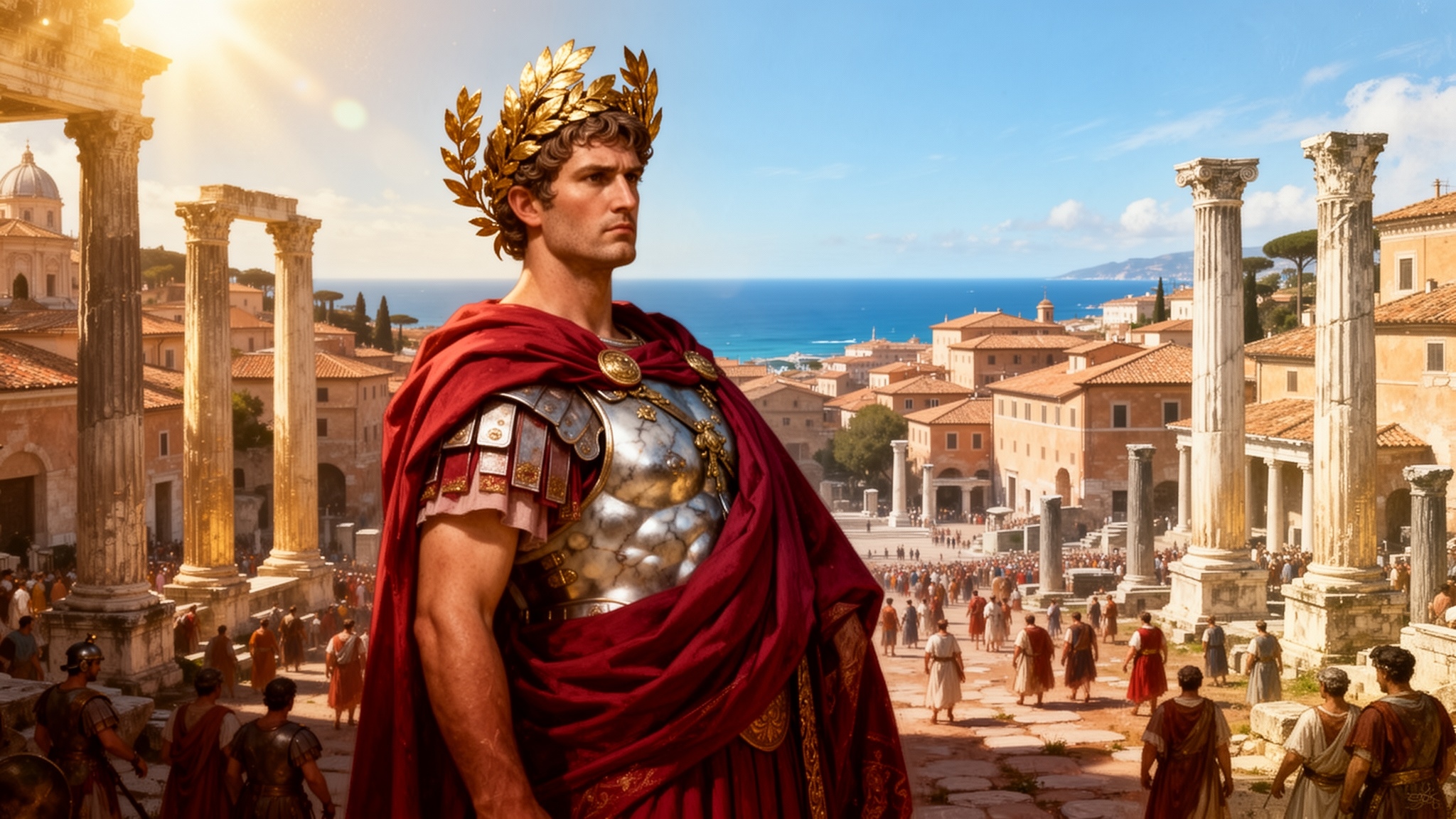
Step into the command halls of history with Historical Leaders by Era, a dynamic Biography Street subcategory exploring the figures who shaped civilizations, empires, and nations across time. From ancient rulers and classical strategists to medieval monarchs, revolutionary visionaries, and modern political architects, this collection organizes influential world leaders by historical period so readers can trace how power, politics, and society evolved through the centuries. Each in-depth article examines leadership styles, defining decisions, global impact, and the cultural forces surrounding these iconic figures, revealing how their authority transformed borders, laws, and human progress. Whether you are researching legendary emperors, reformist presidents, wartime commanders, or philosophical statesmen, this timeline-driven hub offers structured, SEO-rich biographies designed for discovery, comparison, and deeper historical understanding. Explore eras, analyze leadership legacies, and uncover the patterns that connect the rise of leaders across antiquity, the Middle Ages, the industrial age, and the modern world. Discover how ambition, strategy, innovation, and ideology defined leadership across different eras and why their stories still influence global politics today for scholars and history enthusiasts.
A: Influence over political, military, cultural, or societal transformation.
A: Many were, though coups, elections, and conquests also produced leaders.
A: Genghis Khan founded the largest contiguous empire in history.
A: Often they issued decrees, recorded by scribes.
A: Their policies created both progress and suffering.
A: Some, like Wu Zetian and Victoria, ruled with equal authority.
A: Through armies, alliances, laws, and symbolism.
A: Yes, shifting from absolute rule toward constitutional systems.
A: Military success, reforms, or lasting cultural impact.
A: Context reveals how power adapted to historical conditions.