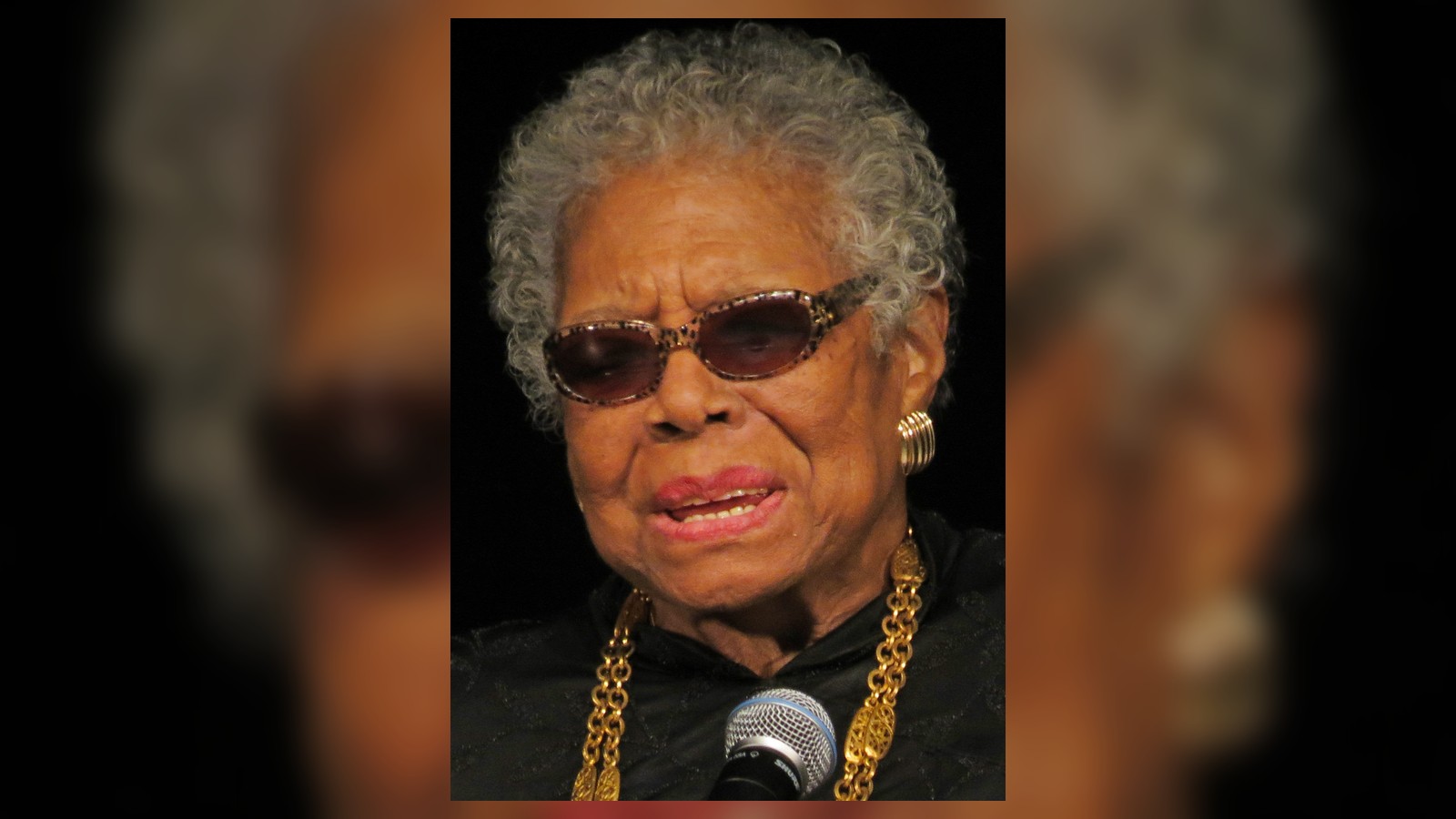
Maya Angelou Biography
The result is a readable life story that values sequence, texture, and consequence as much as fame, while keeping attention on the choices that made the public legacy possible. It keeps the tone explanatory, balanced, and grounded in the work itself, with enough detail to support careful reading and historical context from multiple angles. Maya Angelou is best understood as a poet, memoirist, performer, and civil-rights voice whose career became larger than a simple list of credits. The story matters because it shows how craft, timing, public image, and persistence can turn individual work into a cultural reference point.
A: Because the career shows how talent, timing, and public attention can reshape a field.
A: The defining thread is the movement from early opportunity into a wider cultural legacy.
A: The most useful fact is not one date, but the pattern of choices that made the work durable.
A: Influence grew through recognizable work, repeated discipline, and audiences who kept returning.
A: No. Fame is part of the story, but the stronger measure is lasting effect.
A: Avoid reducing the life to one role, one book, one image, one controversy, or one artwork.
A: Compare craft, range, risk, collaborators, and what changed after the work reached the public.
A: Staying power comes from work that remains useful, moving, debatable, or imitated.
A: Public memory often smooths out labor, conflict, pressure, and changing critical reception.
A: The biography matters because it connects a specific life to a broader cultural record.
Maya Angelou Biography Overview
For Maya Angelou, the result is a readable life story that values sequence, texture, and consequence as much as fame, while keeping attention on the choices that made the public legacy possible. For Maya Angelou, it keeps the tone explanatory, balanced, and grounded in the work itself, with enough detail to support careful reading and historical context from multiple angles.
Maya Angelou is best understood as a poet, memoirist, performer, and civil-rights voice whose career became larger than a simple list of credits. For Maya Angelou, the story matters because it shows how craft, timing, public image, and persistence can turn individual work into a cultural reference point. For Maya Angelou, a biography has to do more than celebrate familiar milestones. For Maya Angelou, it should explain how early conditions, major opportunities, and later choices shaped the career people recognize today. For Maya Angelou, it also needs to show how a private working life became visible enough for strangers to attach meaning to it.
The broad arc runs from personal testimony to a public language of dignity. That movement was not automatic. For Maya Angelou, it depended on training, collaborators, changing audiences, and the ability to survive public expectation. For Maya Angelou, the most durable careers are rarely made by one success. For Maya Angelou, they are made by adapting after success, choosing new risks, and finding ways to make the work feel alive beyond its first moment.
Readers often arrive at a Maya Angelou biography through one famous role, book, song, painting, or public image. For Maya Angelou, that entry point is useful, but it can also narrow the view. For Maya Angelou, the fuller story includes preparation, setbacks, revisions, business decisions, private discipline, and the historical context that made recognition possible. For Maya Angelou, looking at those quieter elements gives the familiar achievements a firmer shape, because they show the conditions that made the visible work possible.
For Maya Angelou, a balanced account also separates the person from the shorthand attached to the name. Maya Angelou can be treated as an emblem of a genre, era, movement, or fan community, but the biography is richer when it follows decisions in sequence. For Maya Angelou, that approach shows how reputation was built, defended, questioned, and renewed over time.
Early Life and First Openings
For Maya Angelou, the early evidence is more specific than a general origin story. I Know Why the Caged Bird Sings, poetry, and civil rights work show how the first version of the career formed before the public label arrived. For Maya Angelou, those details help readers see beginnings as pressure, training, and access rather than as a decorative opening chapter.
For Maya Angelou, the early record includes I Know Why the Caged Bird Sings, poetry, and civil rights work. Those details are not trivia. For Maya Angelou, they show the path from private interest to public work. For Maya Angelou, they also remind readers that a celebrated career usually begins before the world has any reason to care. For Maya Angelou, in that early stage, skill is often forming before reputation exists, which makes the record especially useful for understanding later choices.
For Maya Angelou, first openings rarely look final while they are happening. For Maya Angelou, an early role, manuscript, studio session, apprentice period, or exhibition can feel like one attempt among many. In hindsight, it becomes a hinge. For Maya Angelou, the biographical task is to see that hinge without pretending the outcome was guaranteed.
Breakthrough and Public Recognition
The breakthrough around Maya Angelou changed the size of the room. Once performance background and memoir cycle entered the public record, each later decision had to answer a clearer expectation from audiences, critics, and the industry. For Maya Angelou, that is why recognition belongs in the biography as a turning point, not just as proof of popularity.
The public identity around Maya Angelou was assembled through particular evidence: memoir cycle, inaugural poem, and teaching. For Maya Angelou, those markers gave audiences something concrete to name, imitate, debate, or resist. For Maya Angelou, they also made the career easier to summarize, which is exactly why the article has to slow the sequence down.
Recognition can be both opportunity and trap. For Maya Angelou, it rewards what audiences already like, which can make reinvention risky. For Maya Angelou, the most interesting biographies often turn on how a person handles that pressure. Some deepen a signature style. Some expand into new forms. For Maya Angelou, some use success to gain more control over the next chapter.
For Maya Angelou, the public stage also changes the meaning of earlier work. After Maya Angelou became widely recognized, small choices could be reinterpreted as signs of a larger destiny. Biography has to resist that false neatness. For Maya Angelou, it can acknowledge the breakthrough without pretending that every step beforehand pointed cleanly toward the same result.
Another part of recognition is durability. For Maya Angelou, a sudden rise may bring attention, but it does not guarantee respect across years. Maya Angelou's story is therefore also about what happened after visibility arrived: the choices that protected momentum, the risks that invited criticism, and the projects or works that helped the career avoid becoming one fixed image.
Craft, Voice, and Working Method
The craft behind Maya Angelou's reputation deserves attention because lasting influence depends on repeated choices. For Maya Angelou, talent may open the door, but method keeps the work from collapsing into accident. For Maya Angelou, method includes preparation, taste, revision, collaboration, technical skill, and the ability to understand what an audience feels before it can explain why. For Maya Angelou, the method may be public, private, disciplined, intuitive, collaborative, or restless, but it is rarely incidental.
In this career, details such as inaugural poem and teaching help reveal the working pattern. They point to more than fame. For Maya Angelou, they show how the person built a recognizable voice inside a crowded field. For Maya Angelou, whether the medium is film, music, literature, painting, or sculpture, a recognizable voice allows later audiences to identify the work even when the subject changes.
Maya Angelou's method can also be read through what the career did not simply accept. A path shaped by inaugural poem and teaching required choices about control, image, collaborators, and risk. For Maya Angelou, those choices keep the work from reading as inevitable, even when the later reputation makes success look smooth.
For Maya Angelou, craft is easiest to admire when the result looks effortless, but the hidden process is usually more revealing. In Maya Angelou's case, the career asks readers to look at preparation, repetition, and judgment. For Maya Angelou, the strongest work often depends on knowing what to leave out, when to intensify a familiar quality, and when to move beyond a comfortable pattern.
Influence and Cultural Meaning
Maya Angelou's influence is clearest when the career changes what other people consider possible in writers and poets. The afterlife of public wisdom shows how one body of work can move through style, commerce, criticism, and memory. For Maya Angelou, that influence is not a slogan; it is visible in the way later audiences keep returning to the example.
The wider meaning of this biography includes public wisdom. For Maya Angelou, that detail helps explain why the career continues to matter outside a narrow professional timeline. It places Maya Angelou in a larger cultural story about visibility, ambition, representation, authorship, style, and memory. For Maya Angelou, it also reminds readers that public importance is rarely confined to a single medium or decade.
Cultural meaning can shift over time. For Maya Angelou, a work dismissed in one era can become central later. For Maya Angelou, a public image once treated as simple can become more complicated. For Maya Angelou, a biography should leave room for that movement. For Maya Angelou, the afterlife of a career is part of the career's power.
Complications and Public Memory
A stronger account of Maya Angelou leaves room for admiration and complication at the same time. For Maya Angelou, the career includes achievement, but it also includes the pressures around teaching and the later interpretation attached to public wisdom. For Maya Angelou, that balance makes the profile more credible than a tribute that only repeats the most flattering shorthand.
For Maya Angelou, complications may involve reception, pressure, privacy, artistic risk, business control, critical disagreement, personal hardship, or the way fans and institutions reshape a legacy. Naming complexity does not cancel achievement. For Maya Angelou, it makes achievement easier to understand because the reader can see what had to be navigated.
Public memory tends to compress Maya Angelou into a symbol, while the actual biography is sequential. poetry did not mean the same thing before performance background, and inaugural poem changed meaning again after wider recognition. For Maya Angelou, keeping that order clear helps readers understand the career as a set of decisions rather than a fixed image.
For readers, those complications are often where the biography becomes most human. Maya Angelou may be associated with celebrated work, but recognition never removes uncertainty. For Maya Angelou, new projects can fail, old assumptions can harden, and public praise can become a narrow script that is difficult to escape.
The final portrait of Maya Angelou works best when proportion stays intact. For Maya Angelou, the article can acknowledge limitation, pressure, and debate without shrinking the achievement. For Maya Angelou, it can also honor the work without pretending that reputation, access, and public memory are simple or neutral forces.
Legacy
The legacy of Maya Angelou rests on a pattern of ambition meeting response. The arc from personal testimony to a public language of dignity still matters because later readers can trace how a first opportunity became a durable public example. For Maya Angelou, that pattern is more useful than nostalgia because it explains why the name continues to travel.
The best questions around Maya Angelou are practical: who helped make the work possible, which risks changed the career, and which parts of the public story became too easy to repeat. For Maya Angelou, those questions keep the article active for readers who want more than a polished summary.
A useful ending connects Maya Angelou's visible career to the labor and systems beneath it. The path from I Know Why the Caged Bird Sings to public wisdom includes private discipline, public opportunity, and the kind of repetition that turns work into memory. For Maya Angelou, that connection is what gives the legacy section weight.
Revisiting Maya Angelou gives readers a chance to see how a public career gathers layers over time. For Maya Angelou, early effort, decisive opportunity, professional method, criticism, and afterlife do not arrive all at once. For Maya Angelou, they accumulate, and that accumulation is what makes the biography worth reading closely.
meaningful. For Maya Angelou, this article looks at the life and career through early context, breakthrough work, craft, public memory, and legacy.
Editorial Context for Maya Angelou
The strongest editorial angle for Maya Angelou is the movement from I Know Why the Caged Bird Sings toward performance background. For Maya Angelou, that path gives the article a concrete line of development instead of leaving the career as a set of famous references. For Maya Angelou, it also helps explain how early conditions shaped the public work without pretending that the later reputation was already guaranteed.
For Maya Angelou, a second useful angle is the relationship between memoir cycle and inaugural poem. For Maya Angelou, one belongs to public recognition, while the other points toward method, control, or pressure. For Maya Angelou, reading them together makes the biography more specific because it shows how the visible career depended on choices that were professional, strategic, and sometimes contested.
The later story around teaching and public wisdom keeps Maya Angelou from becoming only a breakthrough figure. For Maya Angelou, legacy depends on what remains active after the first wave of attention: the arguments people keep having, the standards later workers inherit, and the images or methods that still feel useful.